Operations and technical leader Open to leadership opportunities
I make complex factories
predictable.
Career at a glance
Technical depth. Broader responsibility.
Based in Hillsboro, Oregon. Open to U.S. and international opportunities in manufacturing operations, engineering leadership, and customer-facing technical execution.
Production Shift Manager
Intel · Oregon Wafer Level Assembly (ORAP)
Night-shift execution across high-volume manufacturing, engineering ramp, and technology development in a 24/7 advanced-packaging operation.
Engineering Module Manager
Intel · D1D Wafer Fab Diffusion
Engineering leadership for 300 mm vertical diffusion furnaces, equipment recovery, and process support.
Equipment Technician → Shift Lead Technician
Intel · Fab 11X (2011–2014); D1D Wafer Fab (2014–2019)
Progressed from process control and equipment troubleshooting to night-shift technical leadership.
Nuclear Electronics Technician
U.S. Navy · USS Hawaii (SSN-776)
Original crew; reactor controls, shipyard work, calibration, and commissioning readiness.
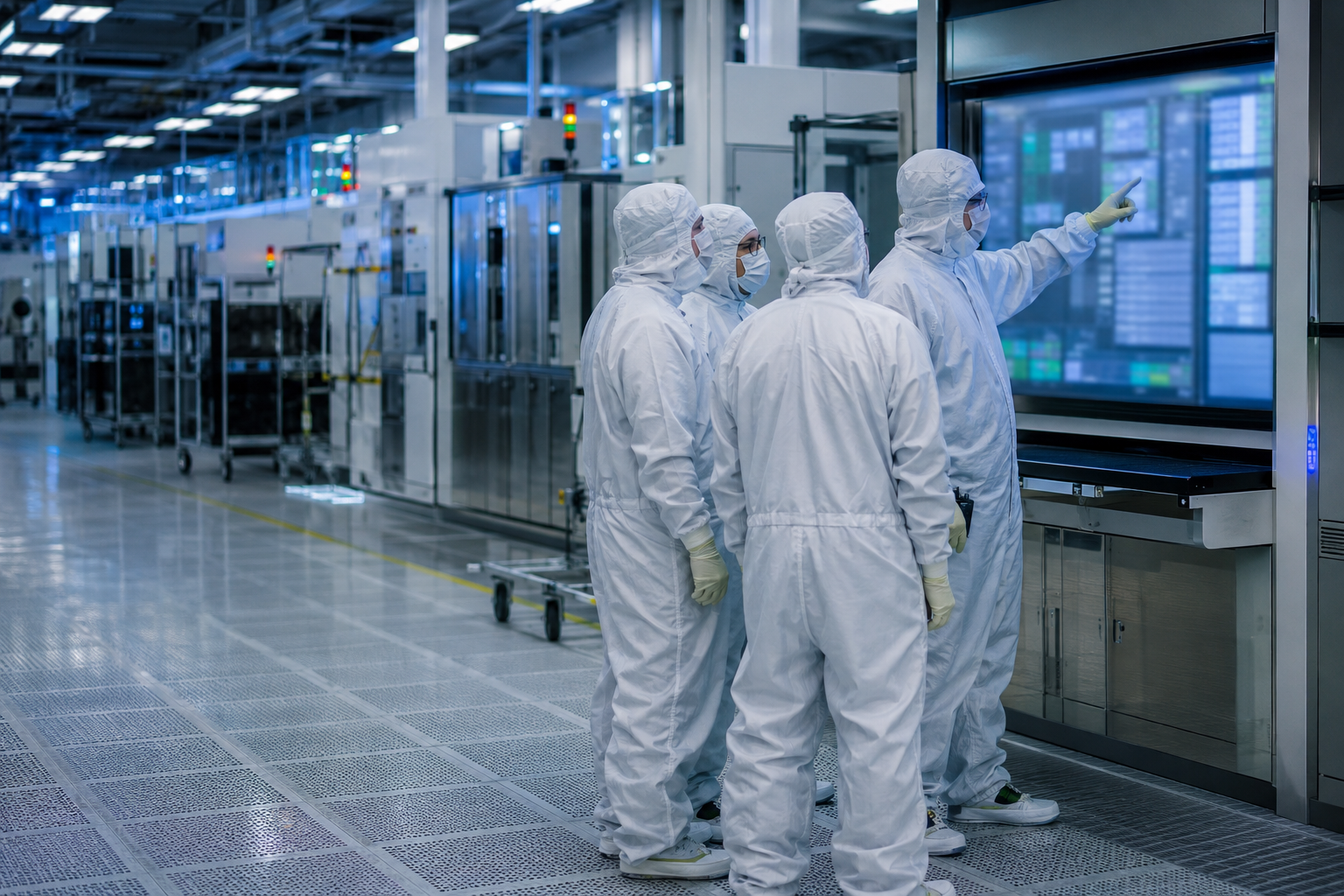
My operating thesis
Connect the technical problem to the people and the plan.
I turn fragmented signals—work in process, tool health, staffing, quality, priority, and risk—into one shared picture and one executable plan.
How I contribute
From recurring friction to a system people can run.
I find the recurring delay, weak signal, or difficult handoff; bring the right people together; and build a method the team can sustain. These examples show the work I led and the systems I helped improve.
Selected examples from semiconductor manufacturing leadership01Go to the source
02Define the signal
03Align dispatch
04Control the window
05Verify the result
06Transfer capability
01 · Module flowObserved result
9 → <4 minOne movement step within a production module
Move the flow from manual to automated.
I traced where manual lot movement was consuming production time, advanced automated transfers with engineering and operations, and escalated recurring barriers. Movement time in the module fell from roughly nine minutes to under four—a reduction of more than 50% in that movement step.
02 · CapabilitySystem built
0 → 24/7Vertical diffusion coverage
Build technical capability across every shift.
I established roles, 24/7 coverage, escalation paths, qualification, and train-the-trainer ownership for vertical diffusion engineering. Preventive-maintenance planning and equipment recovery training made technical knowledge available across shifts instead of dependent on a few individuals.
03 · Commitment portfolioScope example
3 commitmentsOne prioritized operating line
Unify three operating models without flattening them.
High-volume manufacturing needs stable output. Engineering ramp prepares the path into volume. Technology development builds capability as customer demand takes shape. I align their different contacts, constraints, and escalation paths in one operating plan, with explicit priorities that protect all three commitments.
04 · Media managementSystems understanding
Improve flow between storage and production tools.
I apply systems understanding to improve production-media flow between automated storage systems (stockers) and process tools. Input and output rates, feedback loops, and spare storage capacity help keep media available near tools and reduce movement delays. What began as a return routine developed into a broader understanding of factory flow that I bring to task-force analysis and improvements.
05 · AutomationOperating system
Automated deliveryAutomated delivery and queueing adoption
Turn system data into operating behavior.
I turned an automation report into a shift-level action list: which tools were using automated delivery, where it failed, and who needed to respond. Tool-by-tool follow-up with engineering and metrology kept delivery and queueing issues visible through shift handoffs.
06 · Collaborative trainingLeadership pattern
Every postTechnicians through operations managers
Make learning a shared operating habit.
At every leadership post, I have brought specialists, stakeholders, and teammates together for practical, low-pressure learning. When I do not know the answer, I bring in someone who does. The goal is shared understanding of the software, equipment, or operating concept—and a whole team better prepared to execute.
What stays with the team
Clear ownership, repeatable execution, and stronger capability.Results describe the specific work shown, not factory-wide averages.Selected leadership cases
Proof across three levels of responsibility.
Nuclear commissioning built the discipline. Wafer-fab engineering built the technical system. Advanced packaging proves the approach at full factory cadence.
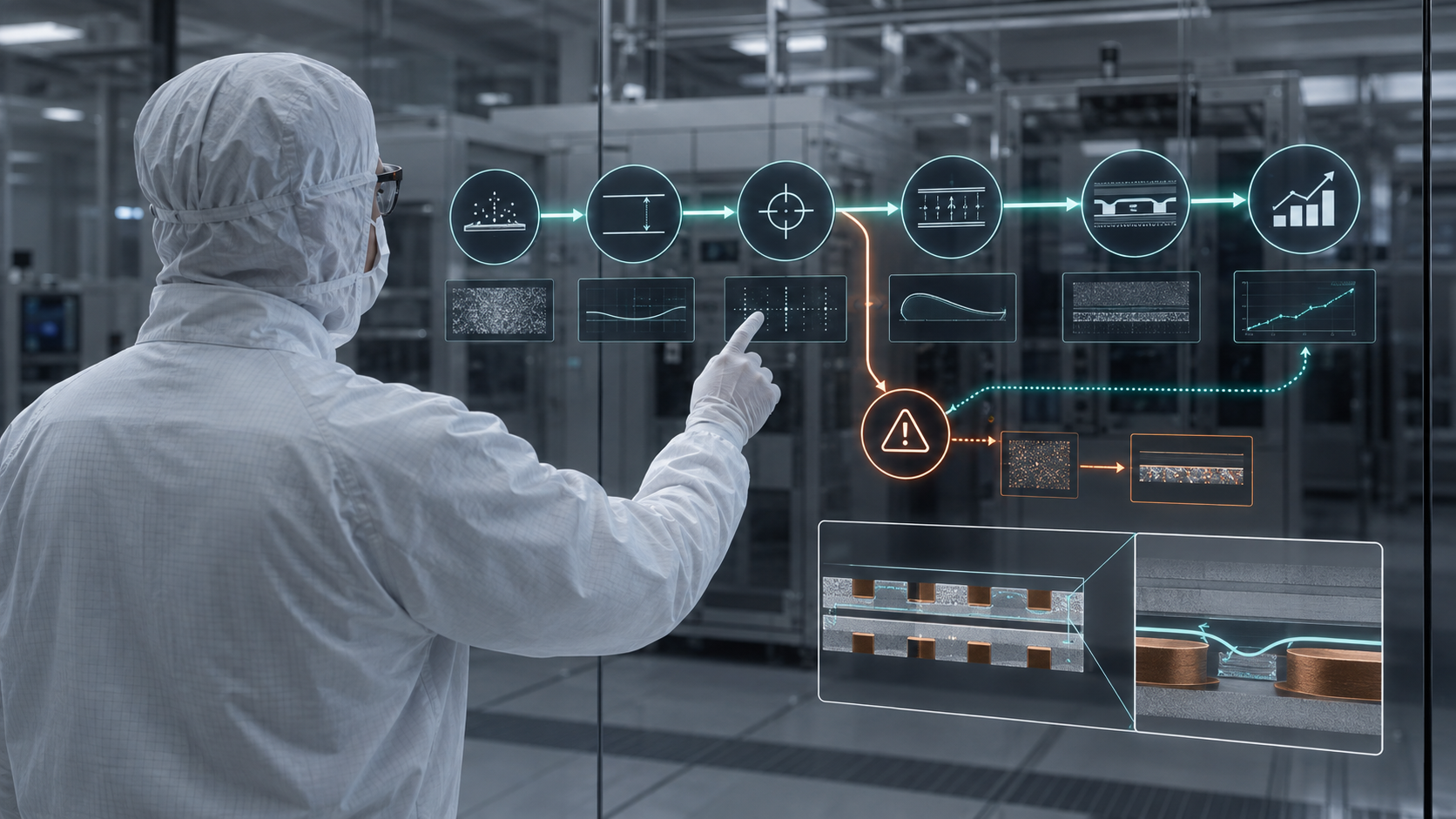 01Hybrid-bonding skills map · Public principles only
Advanced packaging · Production leadership
Make the commit predictable
Coordinate high-volume manufacturing, engineering ramp, and technology development on one factory line. Connect customer priorities, planning, engineering, and shift execution—and change the operating approach as each delivery deadline approaches.
Leadership case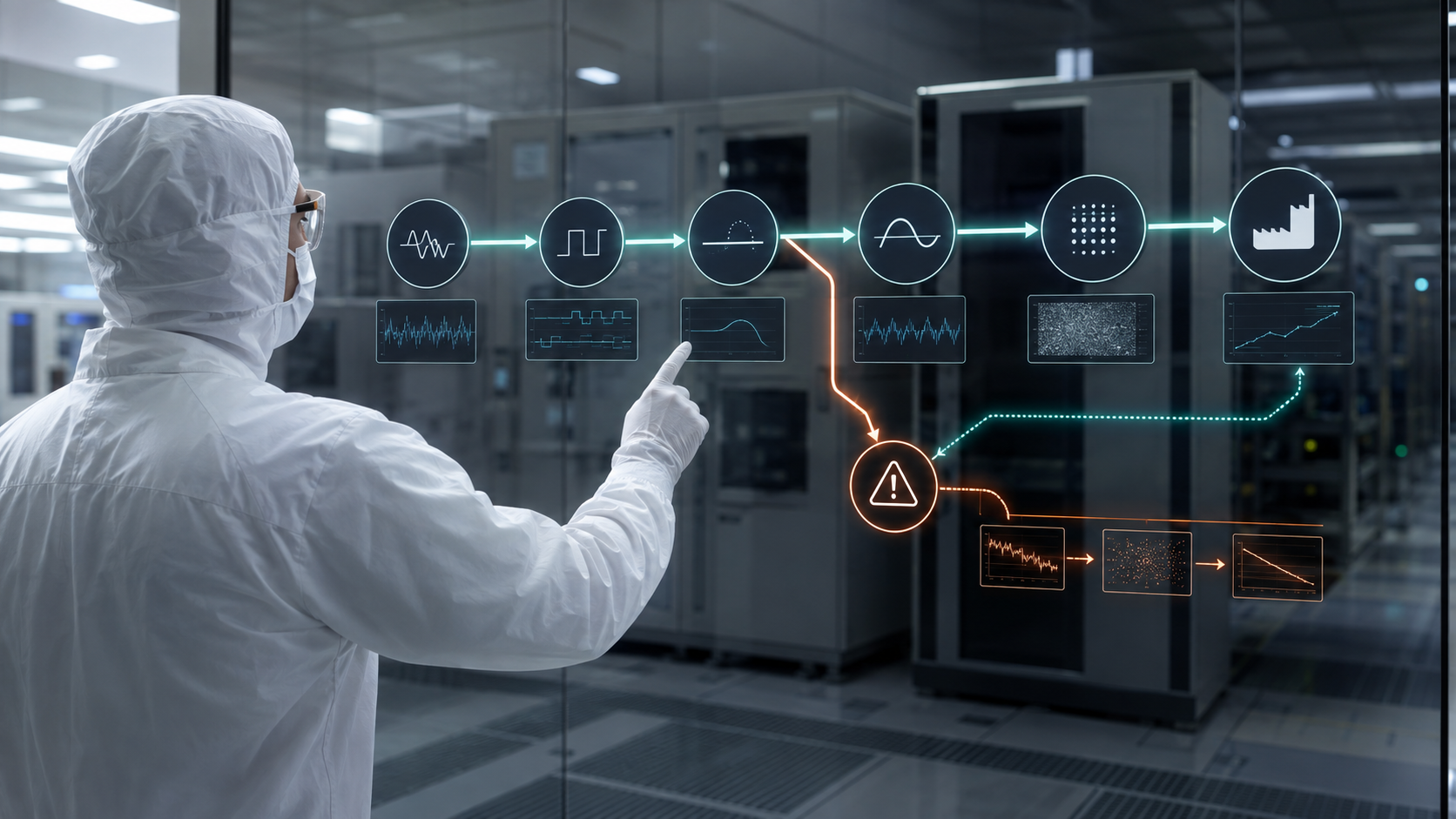 02Conceptual systems map · No specific furnace shown
Wafer fab · Vertical diffusion engineering
Build the engineering system
Built diffusion engineering execution from the ground up across thermal oxidation, deposition, and trench fill. Defined roles, 24/7 coverage, operating rhythms, escalation, qualification, cross-training, and train-the-trainer ownership.
Leadership case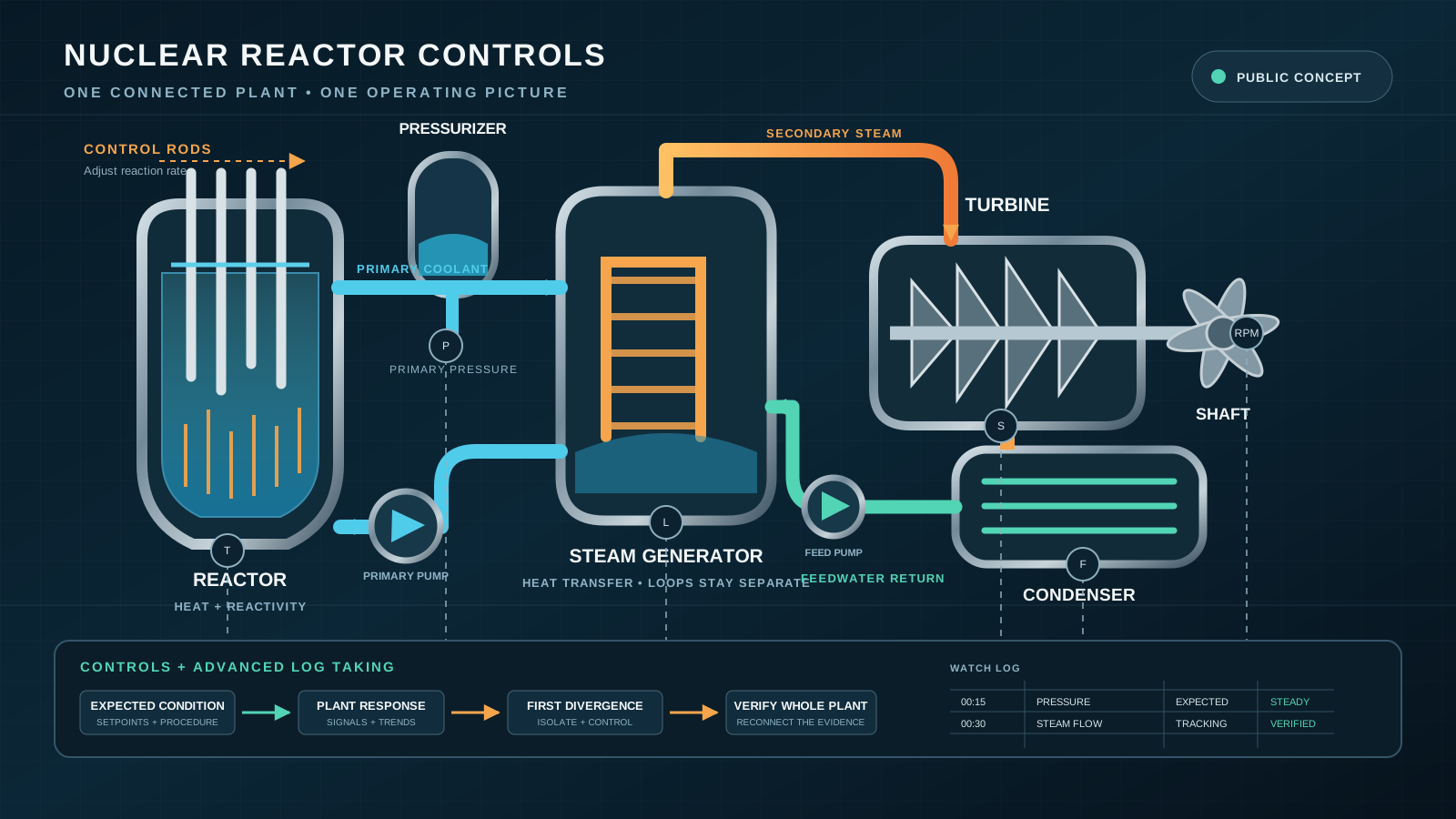 03Public PWR systems view · Not a plant layout
Nuclear operations · Virginia-class commissioning
Engineer readiness from the start
Helped commission USS Hawaii (SSN-776) as part of the original crew. Most of my Navy tour was spent in shipyards, where reactor controls, ETMS troubleshooting, controlled testing, repair economics, calibration, and watch-team readiness formed the operating discipline I still use.
Leadership caseThe through-line
One troubleshooting foundation. Three operating scales.
The Navy taught me to understand why a system responds—not merely what button to push. I carried that discipline from reactor controls to vertical diffusion furnaces and then into factory-wide execution: establish the expected condition, gather evidence, isolate the cause, and verify the result with the people responsible for the work.
Trace the signal.
ETMS and Navy nuclear work sharpened expected-condition thinking, signal-path isolation, repair control, and total-system verification.
Trace the interaction.
Wafer-fab engineering required separating hardware, software, controls, process conditions, and material response—then proving how they connected.
Trace the commitment.
Factory leadership uses the same logic across material flow, tool health, staffing, priorities, and deadlines—then assigns an owner and a recovery plan.
Explore my seven-step troubleshooting method
The seven-step field method
Find the first divergence. Restore the whole system.
Start with the common causes. When the evidence does not fit, slow down, isolate variables, and test the system methodically.
The first six steps carry forward the Navy’s logical troubleshooting foundation. The seventh is my leadership extension: make the learning transferable.
Public NAVSEA foundation- 01Recognize the symptom
Compare observed behavior with a clearly defined normal condition.
- 02Elaborate the symptom
Use logs, trends, history, indications, and operating context.
- 03List probable functions
Map the functional paths that could produce the evidence.
- 04Localize the function
Test the highest-value boundary and narrow the search.
- 05Trace the line through
Follow signal, material, control, or decision flow to the first divergence.
- 06Analyze + correct
Validate the cause, control the repair, and restore operation.
- 07Verify + standardize
Prove final output, capture the lesson, and transfer the capability.
How I think
An operating philosophy, made visible.
Practical field notes on delivering commitments, developing people, and protecting trust. Explore the ideas behind my operating decisions.
Concept 05 · 5 min
Commit Focus.
Shepherd every commitment forward—and change the operating mode as the deadline closes.
Read concept Concept 08 · 4 minBehavioral Safety.
There is an invisible layer of protection beneath the bunny suit: the operating culture technicians create for one another.
Read concept Concept 09 · 4 minWork Empathy.
See the work. Value the impact.
Read conceptEducation + continuous learning
Study the system. Share the understanding.
Navy nuclear training, ETMS, and an associate degree in Engineering Transfer established my technical foundation. I continue to study schematics, manuals, software, and process theory, then bring specialists and teammates together to put that knowledge to work.
- Associate of Science, Engineering Transfer — Portland Community College, Oregon.
- U.S. Navy nuclear technical training and Electronics Technician Maintenance School (ETMS); advanced troubleshooting and controlled repair.
Beyond the factory
Curiosity doesn’t clock out.
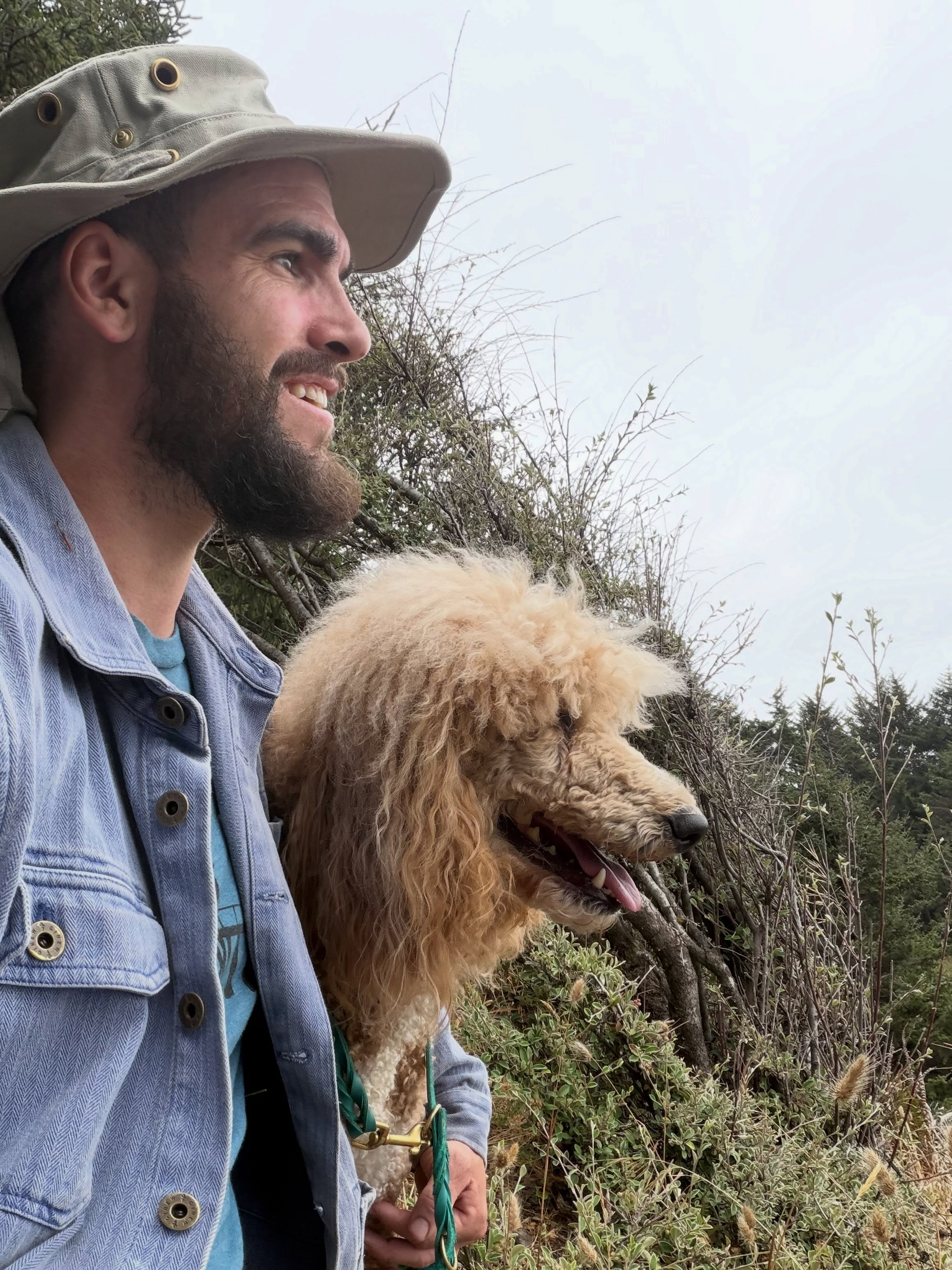
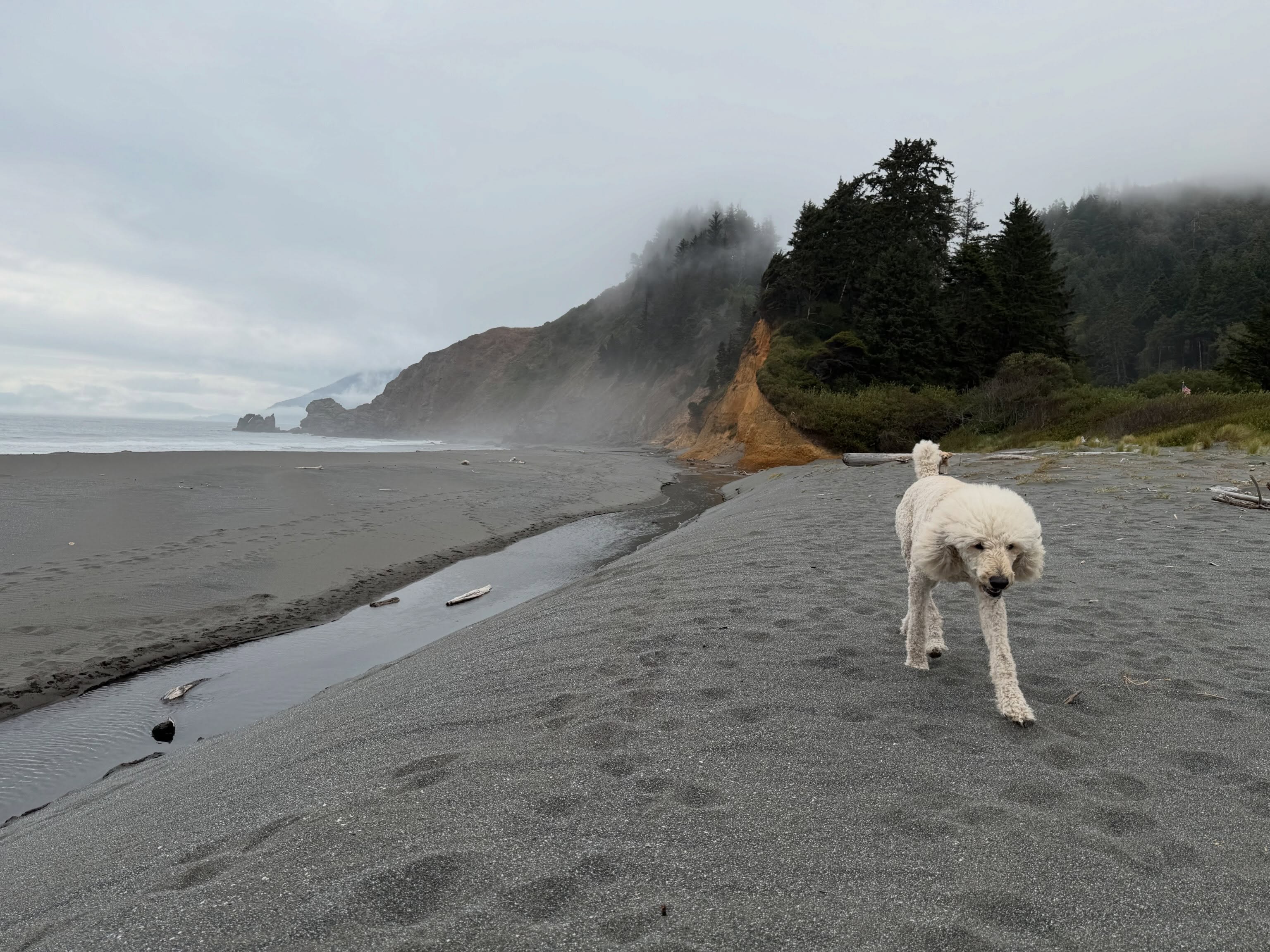
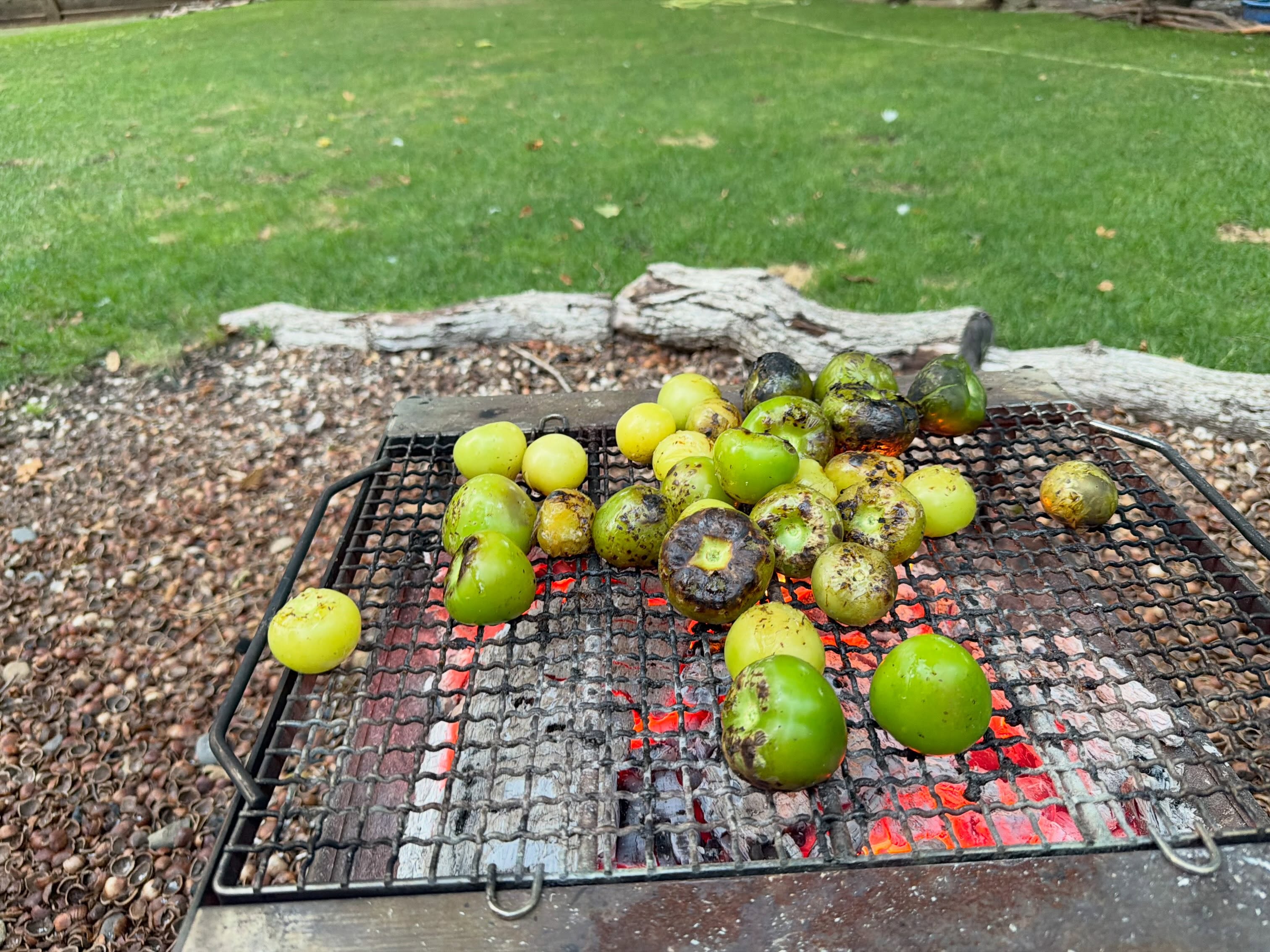
Away from work, I’m usually outside with my dogs, cooking over fire, finding wild food, or exploring the Pacific Northwest. I also built and ran soccer teams at Navy Nuclear Power School and aboard my submarine. Bringing people together has always been part of my life, on and off the job.

Start a conversation
Bring me the operation that needs to become predictable.
Based in Hillsboro, Oregon, and open to the right U.S. or international opportunity. Best fit: complex technical operations where troubleshooting depth, cross-functional alignment, people development, and output ownership must come together.
- Production + output leadership
- Manufacturing engineering
- Performance + cost improvement
- Customer-facing technical operations